
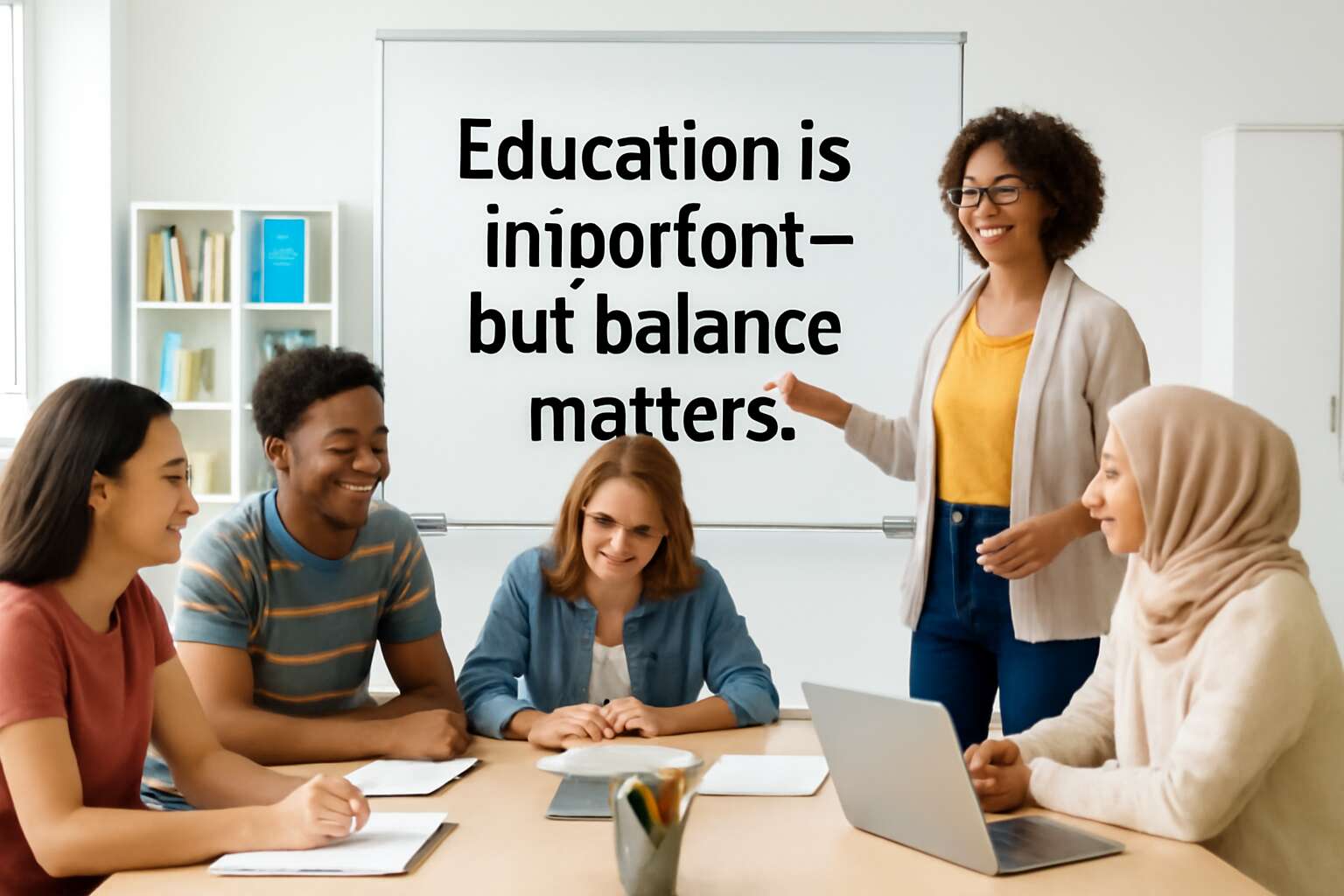
Education value and impact: a comprehensive outline
Educate for career and life
Nelson Mandela once said, “Education is the most powerful weapon which you can use to change the world,” and that conviction still resonates across South Africa’s classrooms. In South Africa, education shapes opportunity, civic responsibility, and enduring hope more reliably than any policy alone.
Education value and impact: a comprehensive outline Educate for career and life. education is important but the idea goes beyond diplomas. It forges critical thinking, communication, and resilience—skills that help people navigate careers and daily decisions with integrity. When curiosity is nurtured, learners become adaptable contributors to a changing economy and a more connected society.
- Career readiness and transferable skills
- Life-long learning and adaptability
- Social mobility and community engagement
In South Africa’s diverse landscape, education acts as a bridge between aspiration and impact, shaping individuals who build inclusive workplaces and informed citizens.
Education across life stages
“Education is the most powerful weapon which you can use to change the world,” Mandela declared, and the line still ricochets through South Africa’s classrooms. Education then becomes more than diplomas; it’s a steady craft through life’s many seasons.
Education across life stages, a comprehensive outline that keeps learning relevant from cradle to elderhood, looks different for every learner:
- Early childhood foundations
- Formal schooling and adolescence
- Higher education and practical skills
- Lifelong learning and civic engagement
Yes, education is important but its true reach is in how it informs daily choices and how curiosity is nourished beyond diplomas.
In South Africa’s diverse landscape, education acts as a bridge between aspiration and impact, shaping individuals who build inclusive workplaces and informed citizens.
Challenges and misconceptions about education
In South Africa, classrooms map the difference between aspiration and impact. education is important but its real heft lies in daily choices and the curiosity that outlives graduation. I see this in conversations with learners who use what they learned to inform decisions, collaborate with others, and contribute to a common good.
Challenges and misconceptions drift through communities like winter dust. Some people treat schooling as a checkbox; I’ve watched adults treat schooling as a finish line rather than a starting gun. The truth is more nuanced: access, relevance, and practical application determine value as much as the pedigree printed on a certificate.
- Myth: more schooling always equals better outcomes.
- Myth: education ends at graduation; the rest is on the employer.
- Reality: lifelong learning, mentorship, and real-world skills sharpen impact across careers and communities.
Strategies to maximize educational value
Nelson Mandela once said, “Education is the most powerful weapon you can use to change the world”—and that weapon shines brightest when learning translates into daily choices that mend communities and spark accountability.
Foundational truth: education is important but its real heft lies in the daily choices that steer households, workplaces and streets toward opportunity. When classrooms connect with local problems—water, energy, health—the learning stays relevant and durable.
- Co-create real-world projects with local partners
- Build mentor networks that pair learners with practitioners
- Cultivate lifelong-learning rituals beyond graduation
Such practices turn classrooms into community workshops, where curiosity translates into better decisions, stronger teams, and inclusive growth.