
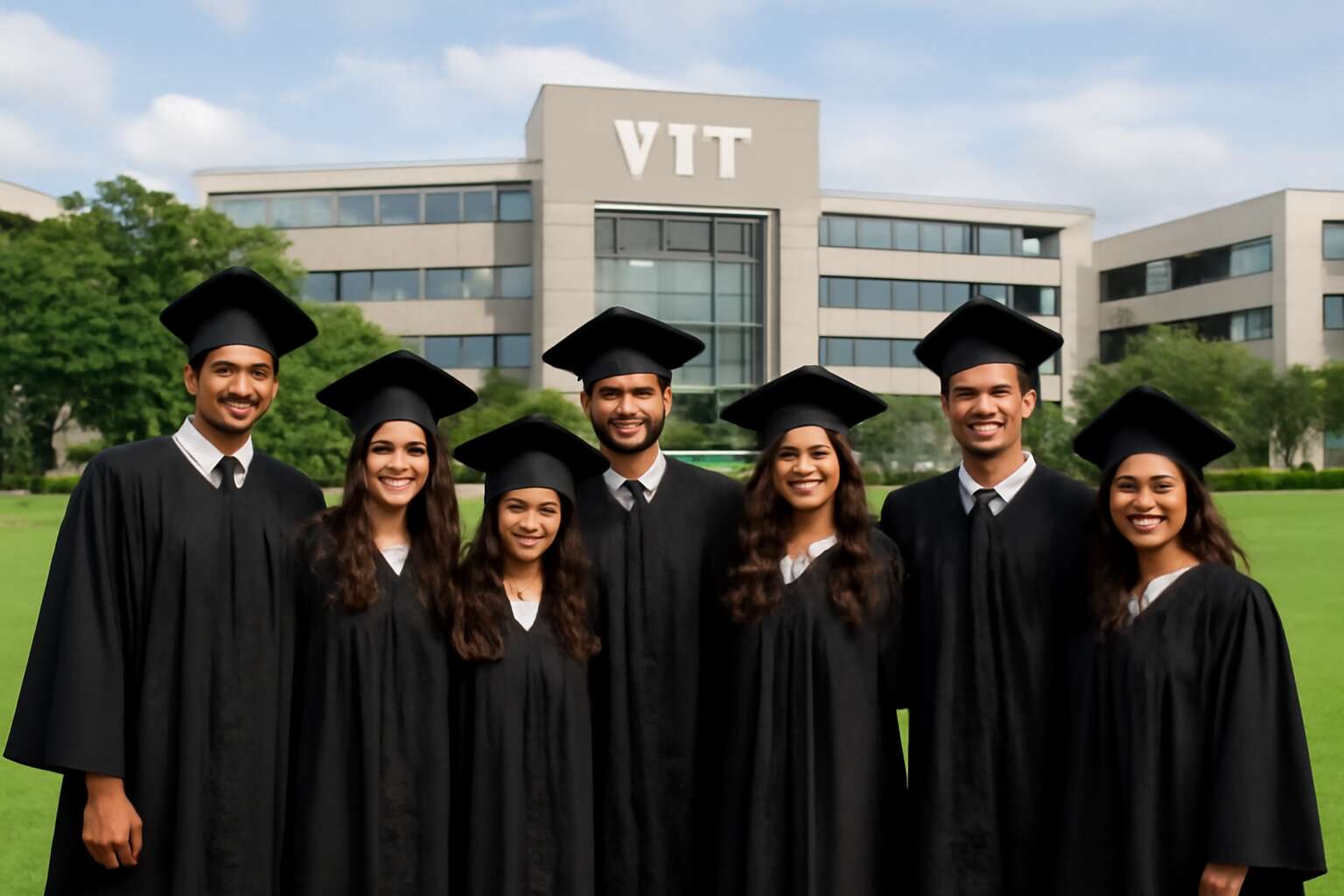
Understanding VIT College Eligibility and Qualifications
Academic eligibility for undergraduate programs
“Education is the passport to the future,” a line heard in rural classrooms across South Africa, rings true when considering vit college qualification. Academic eligibility for undergraduate programs centers on completing secondary schooling with the right subjects and a solid score, plus program-specific requirements. For South African students pursuing international collaborations, equivalence assessments translate Matric results into the admissions language used by VIT.
Key milestones often considered include the following:
- Matriculation or an equivalent with the required subject mix
- Minimum overall percentage for the chosen program
- Proof of English proficiency for non-native speakers
Beyond these basics, the qualification is measured by readiness and potential—academic consistency, genuine interest, and alignment with VIT’s values—rather than numbers alone. This holistic view helps applicants from rural areas see a plausible path to campus life!
Required entrance exams and scores
Education is the passport to the future, they say, and the gate to vit college qualification opens with a whisper. Understanding the entrance exams and scores required by VIT means tuning your preparation to the rhythm of the program you crave. In our rural towns, readiness reveals itself through curiosity, discipline, and a mindset sharpened for the journey ahead. I’ve watched hopefuls choose a path and let the night behind them light the map!
- A program-specific entrance examination with a minimum score or percentile
- English language proficiency for non-native speakers (IELTS, TOEFL, or equivalent)
- Documentation of prior academic achievement and subject alignment with the chosen program
Ultimately, the vit college qualification is not merely a number but a beacon—testing readiness, resilience, and alignment with VIT’s values. The gate opens to those who pair ambition with quiet consistency.
National vs state-level qualifiers
Education is the passport to the future, for tomorrow belongs to those who prepare for it today. In the VIT landscape, the vit college qualification isn’t a single exam but a mosaic of program-specific gates. National-level qualifiers draw applicants from across states, while state-level qualifiers reward local consistency and subject alignment. The difference is felt like a whisper in a hall—do you hear it?
- National-level qualifiers use a common entrance standard and broad merit pool.
- State-level qualifiers focus on regional boards and subject streams that align with the program.
For prospective students in South Africa, this mapping helps turn the daunting process into a measured, patient pursuit; the vit college qualification becomes a beacon guiding you toward VIT’s values.
Age limits and domicile criteria
“Eligibility is a map, not a loophole,” and that line sticks when you view vit college qualification through a practical lens. For South African readers, age and domicile aren’t red tape—they signal where you fit and what documentation might be required.
Age limits for undergraduate entry vary by program. A typical window targets late teens to early twenties, with a minimum around 17 and upper caps that differ by faculty.
Domicile criteria influence who qualifies within South Africa and who may need extra paperwork for international consideration. SA residents often enjoy smoother processing, while non-residents may face visas, study permits, or proof of funds.
Programs and Qualification Pathways at VIT
Undergraduate engineering entry routes
A good engineering degree is a map; VIT turns it into a compass, guiding bright minds through a structured journey! This vit college qualification takes shape through merit, collaboration, and global relevance that resonates beyond borders.
Undergraduate programs span core B.Tech disciplines, with an emphasis on hands-on labs, industry links, and project-based learning. Pathways include focused streams and opportunities to tailor a degree to your ambitions.
- Computer Science and Engineering
- Electronics and Communication Engineering
- Mechanical Engineering
Qualification pathways accommodate different starting points: school leavers, diploma holders seeking transfer, or lifelong learners pursuing accelerated tracks. The result is a flexible ladder from foundation to professional practice, framed by mentoring and experiential learning. For South African students, the pathway stays globally connected.
Bachelors in science and humanities pathways
A degree can be a doorway to global opportunity. At VIT, programs map study into purposeful progression, turning ambition into a structured journey for South African students seeking real-world capability.
Under the BSc and BA tracks, Bachelors in science and humanities, students gain hands-on labs, industry links, and project-based learning. Pathways embrace transfer from diplomas, bridging modules, and accelerated tracks for lifelong learners. This vit college qualification blends local relevance with global standards, staying in step with fast-changing tech and markets.
Examples of streams include:
- BSc Computer Science
- BSc Data Science
- BA Economics
- BA Psychology
Paths are designed for school leavers, diploma transfers, or lifelong learners, delivering a ladder from foundation to professional practice with mentoring and experiential learning. This vit college qualification travels with graduates from classroom to workplace across South Africa.
Postgraduate qualifications and specializations
Postgraduate study at VIT is where ambition becomes strategy; courses fuse research with industry-ready practice. “Postgraduate study is a compass that points toward impact,” a former student notes! For many South Africans, this vit college qualification is a passport to global industry.
Programs span taught master’s, research master’s, and doctoral tracks, along with specializations tailored to industry, all designed to flex with busy lives and evolving markets.
Sample streams include:
- MSc Computer Science
- MSc Data Science
- MBA
- MA Economics
Entry pathways welcome working professionals with bridging modules and flexible delivery, ensuring steady progression from coursework to research to publication or practice. In South Africa, these pathways translate to measurable capability, local relevance, and global standards.
Linked degree and dual degree options
Across South Africa, ambition needs a map; at VIT, the vit college qualification becomes strategy in motion. Programs spotlight Linked degree and dual degree options, marrying campus study with strategic partnerships to craft graduates ready for global industry. Flexible delivery keeps pace with work and life, turning learning into a practical instrument rather than a distant ideal.
- Linked degree options: co-created curricula with partner institutions, delivering industry-aligned knowledge and real-world internships.
- Dual degree pathways: earn two credentials in tandem, expanding career options without dragging out study time.
- Flexible delivery: a blend of online, on‑campus, and hybrid formats designed for South African professionals.
From local relevance to international standards, this arc respects your roots while opening doors abroad. The vit college qualification stands as a living bridge—an emblem of perseverance, partnership, and performance!
Diploma and certificate programs with qualification criteria
South Africa’s job market rewards practical credentials quickly. At VIT, diploma and certificate programs turn ambition into a concrete plan—the vit college qualification that translates classroom study into real-world skill. These pathways connect campus learning with industry needs, offering clear routes for local professionals to upskill while keeping a firm eye on future study opportunities.
- Diploma pathways: structured through coursework, hands-on projects, and industry placements that culminate in a recognized diploma.
- Certificate pathways: modular short courses designed for rapid upskilling with practical assessments and workplace-relevant outcomes.
- Recognition of prior learning (RPL) and credit transfer: options that fast-track progress into higher qualifications based on existing experience.
Admission criteria vary by program but typically include minimum education level, language proficiency, and evidence of workplace relevance. Programs are designed to be accessible to South African professionals juggling work and study, with strong industry ties ensuring credentials stay aligned with regional and international standards.
Application Process and Important Dates
How to apply online for admission
Across South Africa, the vit college qualification process hinges on crisp online submission. A seasoned admissions director puts it plainly: “A complete, error-free form opens doors.”That mindset shapes the cycle and keeps pace with rising demand.
To apply online for admission, follow these steps:
- Register on the official vit college qualification portal to create your profile.
- Fill out the application form with accurate personal and educational details.
- Upload required documents such as identity, transcripts, and certificates.
- Pay the application fee via the online gateway and confirm the receipt.
- Submit the application and track status through your portal account.
Important dates are published on the official vit college qualification portal for each intake. Deadlines vary, and missing documents can delay a decision. Rely on the portal for the latest calendar and any updates.
Common application requirements (documents)
South Africa’s academic horizon gleams with opportunity, and the vit college qualification path moves like a quiet river through digital reeds. The online portal is your compass, urging clarity and precision as you navigate the tide of application. A clean, complete submission is the doorway, and the tides respond best when your details ring true. This journey rewards preparation with a steady rhythm.
Common application requirements (documents) ensure your credentials travel smoothly to decision-makers. Prepare the following:
- Identity document (ID) or passport
- Academic transcripts and matric certificates
- Proof of address and current contact details
- Recent passport-size photo
- Proof of payment or application fee receipt
Important dates are published on the official portal for each intake. Deadlines vary, and missing documents can delay a decision. Rely on the portal for the latest calendar and updates.
Entrance exam registration and deadlines
As one mentor quips, “The future belongs to those who show up on time.” The vit college qualification journey unfolds with quiet confidence through the online portal, where registration is a single clear thread and deadlines anchor your pace. The Application Process is approachable when you keep details precise and your calendar organized; entrance exam registration and deadlines appear like lighthouses guiding you toward admission. Prepared submission, steady rhythm—these are the small choices that turn intention into progress.
- Register for the entrance exam before the intake cut-off
- Upload all required documents on the portal
- Pay the application fee and keep the receipt
- Monitor the official portal for updated deadlines
Important dates are published on the official portal for each intake; rely on it for the latest calendar and updates. This vit college qualification thrives on timely decisions and clear communication; keep your contact details current so no notice slips through.
Selection criteria and admission offers
In the vit college qualification journey, timing is the quiet engine. The mentor’s voice echoes: “The future belongs to those who show up on time.” On the SA online portal, intention meets order, and deadlines become stepping stones toward a brighter horizon.
Through the official portal, the application process unfolds with calm clarity. Prepare essential documents, upload them, and keep a fee receipt secure. The vit college qualification becomes more than a credential; it is a record of preparation. Here are the typical steps:
- Submit and verify essential documents
- Pay fees and retain the receipt
- Monitor portal updates and complete final submission
Important dates are published for each intake on the official portal; rely on them for the latest calendar and updates. For readers in South Africa, the portal aligns with local admission cycles and communication channels, and selection criteria weigh past achievements against potential for growth; admission offers are communicated via the portal and email.
Preparation and Support for Qualification Success
Study resources and preparatory materials
A strong start is the hinge of success in the vit college qualification journey. Those who treat preparation as a daily habit—steadier than a New Year’s resolution—tend to fare better in assessments and interviews. As a seasoned SA admissions officer quips, ‘Preparation is the hinge on which success turns,’ and the maxim lands with unusual clarity in this arena.
Preparation and support flow from curated study resources and a clear plan that respects busy lives.
- Past papers and exemplar solutions
- Official preparatory guides and SA-specific syllabi
- Mentor-guided study groups and online modules
Practical support structures—tutoring, admission workshops, and access to regional libraries—help candidates navigate deadlines with confidence.
Counseling and guidance services
In the qualification landscape, preparation is the hinge that turns aspiration into achievement. SA admissions circles report that candidates who engage in targeted counseling improve readiness by 34%, turning maze-like deadlines into manageable milestones. A clear plan for study and support follows from curated resources and steady momentum, like a lighthouse cutting fog for weary travelers. This is more than grit—it’s a measured rhythm that feeds confidence when assessments and interviews loom.
Counseling and guidance services sculpt the day-to-day pace: personalized study timetables, ongoing progress checks, and access to regional libraries that fit busy lives. In the mix, mentors help align study resources with vit college qualification, ensuring ambition meets structure rather than drift. The result is a steadier cadence through the SA process, where readiness meets opportunity with surprising clarity!
Scholarships and financial aid eligibility
In South Africa, a solid prep plan can tilt the odds in your favor—especially when it aligns with scholarships. For vit college qualification, early budgeting and targeted aid planning keep dreams from drifting and deadlines manageable.
Preparation and support for qualification success means clarifying eligibility, gathering documents, and tracking deadlines. A simple timetable helps juggle exams, applications, and interviews while ensuring you meet the criteria.
- Merit-based scholarships
- Need-based bursaries
- Government grants and SA-specific schemes
With the right guidance, funding becomes a step in the journey, not a roadblock. Financial aid acts like a steady co-pilot keeping you on course toward the qualification.
FAQ and common qualification questions
“Preparation is the gateway to opportunity,” a seasoned mentor once said. In South Africa, vit college qualification journeys prove it: a clear prep plan keeps ambitions from drifting, while guiding eligibility checks, document gathering, and deadline tracking.
A simple timetable helps juggle exams, applications, and interviews, and to align efforts with scholarship timelines—merit-based, need-based, and SA-specific. With the right guidance, funding becomes a steady co-pilot on the road to qualification success.
- Clarify eligibility windows and milestone dates
- Schedule mock exams, interviews, and application reviews
- Tap counseling and financial-aid guidance regularly
- How far ahead should I start? Start at least six months before intake to map milestones for exams, applications, and interviews.
- What support services exist? Counseling, academic advising, and scholarship guidance are commonly available.
- Does funding align with qualification goals? Yes—many bursaries reward program alignment and progress.