
Historical Overview of Free Tertiary Education in Australia
Early foundations and access ideals
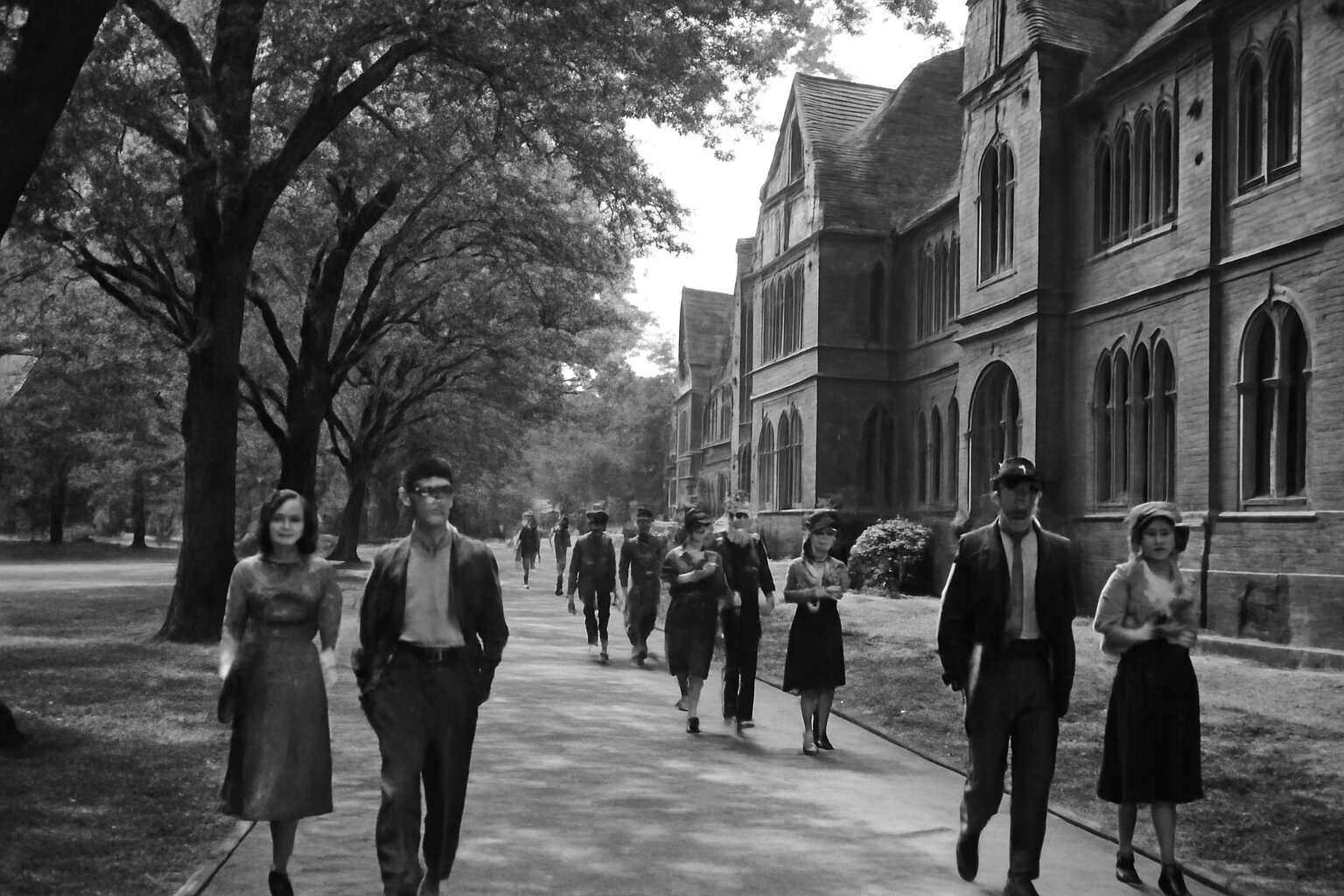
Across Australia’s early campuses, education wore the cloak of public trust. In those days, access was imagined as a common good, not a market. By the 1950s, fewer than 5% of school leavers entered university, hinting at a promise more than a policy. To answer how long was tertiary education free in australia, the record shows generous government funding and sparse charges for many students.
Three phases shaped this era:
- Post-war expansion funded by public grants
- Growth of scholarships and broad access ideals
- Gradual introduction of student contributions later
By the late 20th century, the landscape shifted toward shared costs, yet the core ideology of widening participation persisted, shaping government policy and personal ambitions alike. From my perspective, those changes still feel like a quiet invitation to dream bigger!
Public funding models before fees
Public funds kept the lights of the university nebula bright, long before tuition became a tangible toll. So, how long was tertiary education free in australia? Archives tell of a time when the state underwrote the cost with generous grants and a lattice of bursaries, treating study as a shared inheritance rather than a market prize. The mood was almost gothic: intellect blossomed under guardianship, not price-tags.
- Public grants to universities forming the backbone of operations
- Bursaries and scholarships widening access beyond conventional gatekeepers
- Limited or no tuition for many domestic students, shielding families from costs
These public funding models nourished growth and stability, allowing institutions to drift beyond the sales rack of fees while still sustaining research and teaching as public goods.
Key reforms shaping access
Education is the most powerful weapon you can use to change the world, Mandela reminded us, and in Australia this conviction shaped decades of access. I saw that conviction in action when how long was tertiary education free in australia became a lived question as the public purse carried the cost of learning. For generations, domestic students faced little up-front tuition, while funding held universities steady.
From the postwar expansion into the 1970s, universities thrived on public grants and state backing. Access widened through bursaries and scholarships, turning merit into a ladder rather than a gate. Then, in 1989, reforms introduced HECS, shifting tuition to an income-contingent loan.
Key milestones include:
- Postwar expansion funded by public grants and subsidies
- Bursaries and scholarships widening access beyond gatekeepers
- 1989 reforms introducing the HECS loan system, shifting the cost onto graduates
The Era of Broad Access and Free-ish Education
Post-war expansion and subsidies
Across the postwar horizon, education bloomed as a new dawn, doors widening and chalk dust dancing on the air. ‘Education is a passport to the future,’ the chorus proclaimed, and governments answered with subsidies that softened the price of learning. how long was tertiary education free in australia became less a single number than a shifting horizon—a spectrum of policies that broadened access and seeded a culture of opportunity.
- Subsidies extended eligibility and kept learning affordable for many.
- Living grants and maintenance support widened participation beyond urban centers.
- Public funding grew with enrolment, smoothing the finances of universities.
From a South African vantage, the tale reads like a mythic map: education as a shared treasure rather than a private burden. how long was tertiary education free in australia remains a question that invites policy-woven reflection and appreciation for a nation that chose to invest in its people.
Universities funding shifts and student contributions begin
“Education is the great equalizer,” the era proclaimed, and policy makers answered with a widening purse. Classrooms overflowed, chalk dust dancing with the bright promise of opportunity. I hear that promise in every lecture.
Universities navigated a shifting funding landscape: subsidies expanded, yet student contributions began to creep in, softening the hit for families as enrollments surged.
As debates around how long was tertiary education free in australia circulated, many saw a spectrum rather than a single price—free-ish options backed by loans, grants, and living supports.
Key shifts included:
- Public funding rises with enrollment
- Modest upfront student contributions
- Support mechanisms to ease living costs
For South African readers, the Australian story means collective investment in people, not private debt.
Impact on access and outcomes
Broad access arrived like a sunrise over campus spires, turning lecture halls into launchpads for ambition. The era carried a provocative question: how long was tertiary education free in australia, really? It wasn’t one policy but a mosaic—public subsidies, manageable student contributions, and living-cost supports that kept doors open as enrollments climbed.
Three shifts shaped the outcomes of this period:
- Participation widened across more communities and regions
- Living costs were softened by grants and support programs
- Upfront fees became a non-catastrophic hurdle thanks to income-contingent options
For South African readers, the Australian story is a reminder that collective investment in people—not private debt—creates lasting opportunity. The era’s legacy isn’t merely access; it’s the changed paths of graduates who walked more diverse corridors and stayed to teach, research, or build with intent.
Public debates over cost and value
Broad access arrived like a sunrise over campus spires, turning lecture halls into launchpads for ambition. That era invites the question: how long was tertiary education free in australia? The answer was a mosaic, built from public subsidies, capped student contributions, and living-cost supports that kept doors open as enrollments rose!
Public debates over cost and value colored every campus corridor and policy brief. Proponents framed education as a collective investment; critics sought clear returns! The system evolved into a flexible blend—accessible study without catastrophic debt, paired with mechanisms that shared responsibility between state, institutions, and families.
For South African readers, the Australian experience reads as a reminder that when a nation bet on its people, opportunity spreads beyond the few. The era’s legacy isn’t only access; it’s the pathways carved by graduates who taught, researched, and built with purpose.
When Free Education Ended and Fees Began
The move from universal grants to targeted support
From banners of free access to the hush of student fees, a bold chapter unfolds in Australia’s university tale. This moment invites a simple question: how long was tertiary education free in australia. A long-held dream wrestled with the ledger, and the lantern swung toward targeted aid.
Three turning points defined the shift:
- From universal grants to targeted subsidies
- Introduction of means-tested support and student contributions
- Expansion of income-contingent loans and repayment terms
These lines in the ledger ink a story of cost, value, and access that still echoes in campuses and policy debates across the ocean, including South Africa.
For readers in South Africa, the arc offers a mirror: the state’s promise to widen access meets budget realities and the ballot box. The mythic archive shows that free education ends not with a bang but with a ledger, and tuition shifts toward shared responsibility!
Introduction of tuition fees and HECS in 1989
A single turn of the wheel—1989—brought tuition fees and the HECS scheme into Australian universities. By 1990, hundreds of thousands faced fees. The burning question remains: how long was tertiary education free in australia. The answer, stitched across decades, reads like a mythic ledger turning from gift to loan to shared responsibility.
In 1989, tuition fees didn’t vanish; they became loans under HECS-HELP, tying education to future earnings. The shift sparked debates and student experiences that resonate on campuses and in South Africa’s dialogue about access.
- tuition fees introduced for the first time
- HECS-HELP income-contingent loans
- repayment terms tied to income thresholds
When we trace the mythic ledger, education shifts from a gift to a relation between citizen and state. The line between free access and responsible funding remains an epic in every campus, including South Africa’s discussions of cost and value.
Transition challenges for students and institutions
When the halls shifted from candlelight to ledger-light, the shadows grew thick with cost. The haunting question lingered: how long was tertiary education free in australia, and the echo of carefree access faded as tuition debts crept into the future, turning gifts into obligations and dreams into careful budgeting.
- administrative complexity for students and universities
- the rise of HECS-HELP and repayment thresholds
- budget pressures altering admission and support services
Transitioning to fees forced a new choreography: campuses restructured support, counselling moved toward debt literacy, and timelines stretched as applications and funding cycles collided. For readers in South Africa, the memory mirrors a parallel dusk—cost, value, and access forever negotiating their own fates.
The HELP System and Current Funding Landscape
Overview of HECS-HELP and FEE-HELP
Across the scholarship seas, the HELP System powers modern study in Australia. It stitched tuition to future earnings, turning upfront bills into manageable repayments. Exploring how long was tertiary education free in australia reveals the decisive pivot from universal grants to income-contingent loans that follow graduates, not classrooms. For readers in South Africa, this tale echoes a global tug-of-war between access and cost!
Today’s landscape rests on two pillars—HECS-HELP and FEE-HELP—tools that let learners choose how to fund study while the bills rise in the background.
- HECS-HELP: loans for student contributions; repayment via income tax after earnings exceed a threshold.
- FEE-HELP: covers tuition fees; debt sits on the HELP ledger and is repaid through the tax system.
- Current landscape: blending government support, loan flexibility, and fee caps to drive access and sustainability.
Repayment structures and debt implications
Education in Australia once seemed nearly free, yet the ledger traveled with you. The question how long was tertiary education free in australia echoed through campuses as reforms unfolded. The HELP system turned upfront bills into future earnings, so repayments begin when wages rise above a threshold and debt travels with your tax return.
- HECS-HELP: loans for student contributions; repayment via income tax after earnings threshold.
- FEE-HELP: covers tuition fees; debt sits on the HELP ledger and is repaid through the tax system.
Today’s landscape blends government support with income-contingent terms and fee caps, shaping a debt that follows graduates, not classrooms. Inflation indexing keeps the balance honest, while repayments scale with earnings—a quiet march into the future that South African readers can recognize as a global dance between access and cost.
Role of government subsidies and student loans today
Debt travels with the graduate, not the classroom. The HELP system turned upfront bills into future earnings, and today the funding landscape rests on subsidies married to income-contingent loans. Repayments kick in when wages clear a threshold, and the debt rides the tax ledger.
- Repayments flow through the income tax system, scaling with earnings.
- Inflation indexing keeps the balance honest as the cost of money shifts.
Two features shape this landscape:
For South African readers, the journey mirrors global dynamics. “how long was tertiary education free in australia” reveals how policy shifted from universal grants toward fee-based approaches and now onto the progressive HELP ledger—an architecture built on access, cost, and repayment via taxation.
Equity and access considerations
The HELP system converts upfront education costs into a future earning obligation, a mechanism where debt travels with the graduate rather than the classroom. Repayments flow through the income tax system, scaling with earnings, and inflation indexing keeps the balance honest. For South African readers, the arc mirrors a shift—from universal grants to fee-based models—and the question how long was tertiary education free in australia reveals a similar arc.
Equity and access considerations are not abstract; they ride on the design of repayments and the availability of support.
- Equity of access: income-tested contributions and affordable entry for low-income students
- Geographic reach: remote and regional participation supported by flexible delivery and subsidies
Today’s funding blends public support with income-contingent loans, balancing cost, value, and mobility. Debt interfaces with taxation and policy reform, shaping access and incentive across the higher education landscape.
Comparative Context and Policy Lessons
How Australia compares with other countries on free tertiary education
Comparative Context and Policy Lessons unfold like a map of shadows: Australia sits between early generosity and modern loan scaffolding. The question how long was tertiary education free in australia still echoes through policy debates, shaping today’s choices for students. For South African readers, the tale hints at how nations balance aspiration with fiscal restraint while keeping access a living debate.
Policy lessons emerge from the margins, where debate shifts from cost to value. The Nordic path hints at broad access with minimal upfront costs; Europe blends subsidies with modest fees; Australia’s repayment orientation shows how debt shapes participation.
- Nordic models with universal access
- Subsidies paired with low or no upfront charges
- Loans that preserve participation while maintaining standards
For South African readers, the refrain is straightforward: access travels on policy design as much as on wealth.
Lessons for future reforms
A century of balance, a ledger in the shadows: how long was tertiary education free in australia? It wasn’t a long chapter—the era of universal, fee-free study gave way to policy that blends subsidies with loans. For South African readers, this tale is a lantern showing how nations balance aspiration with fiscal restraint while keeping access bright.
Three lessons rise from the shadows for future reforms:
- Preserve broad access with income-sensitive repayment and clear standards
- Blend subsidies with modest upfront costs to avoid massive debt burden
- Design flexible, transparent grant and loan mix that remains adaptable
For South Africa, the map behind this debate is plain: access survives on savvy policy design as much as money. If reforms lean on clear repayment rules and steady subsidies, participation holds its ground even in rough weather.
Public sentiment and political factors shaping policy
Across continents and budgets, the question lingers: how long was tertiary education free in australia? In comparative context, Australia walked a middle path—shields of subsidised study, underpinned by income-contingent loans rather than universal grants. That balance sits between Europe’s broad grant regimes and the United States’ market-led tuition model, offering a pragmatic template for policy design.
Public sentiment and political factors shaping policy built the seams of reform. Voters demand affordability, while parliaments count the fiscal cost. Factors include budget cycles, party coalitions, university lobbying, and student advocacy. The result is a cautious but persistent push toward transparency in repayment and targeted subsidies that preserve access without inflating debt.
- Budgetary discipline tied to repayment clarity
- Coalition dynamics and election timing
- Pressure from universities and student groups
Together, these forces sketch a policy lesson: the best approach blends flexibility with accountability, letting access endure even when the money is tight.